How Oil-Free Turbo Compressors Help Meet Environmental Standards
Release time: Jul.15.2026
Click volume: Views
The Green Transition in Industrial Utility Yards
Across the global manufacturing landscape, environmental compliance is no longer a secondary checklist item—it is a core operational mandate. Driven by strict carbon-neutrality targets, regional emissions limits, and rigorous Corporate Social Responsibility (CSR/ESG) frameworks, industrial facilities are auditing every stage of their utility usage.
Among these utilities, compressed air is notorious for being both highly energy-intensive and a potential source of hazardous chemical pollution. Traditional oil-lubricated compressor systems pose a double threat to a plant's environmental balance sheet: they consume vast amounts of electricity to overcome restrictive line filtration, and they generate thousands of gallons of toxic, oily wastewater annually.
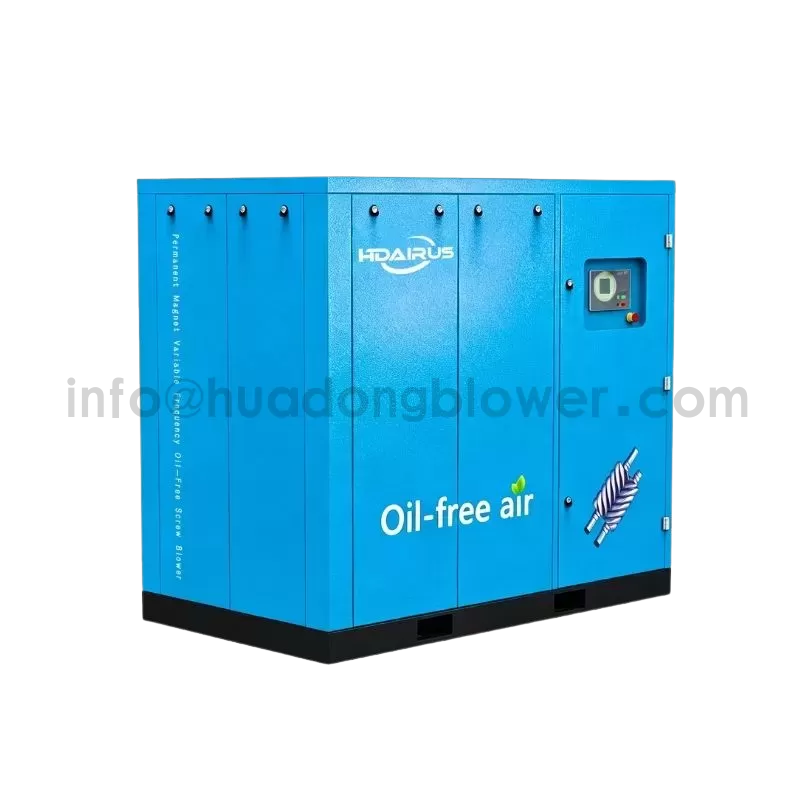
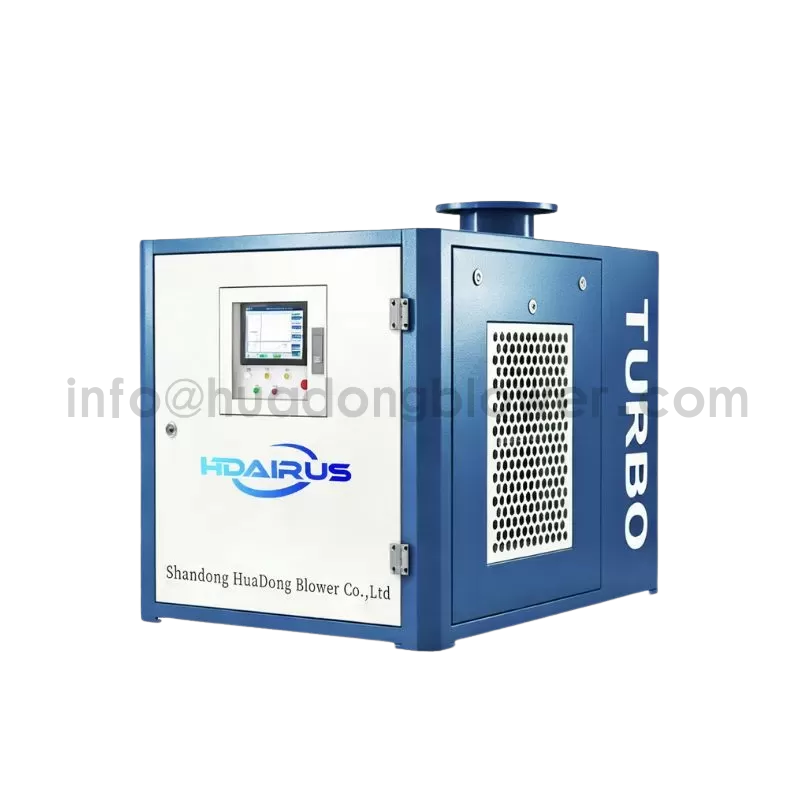
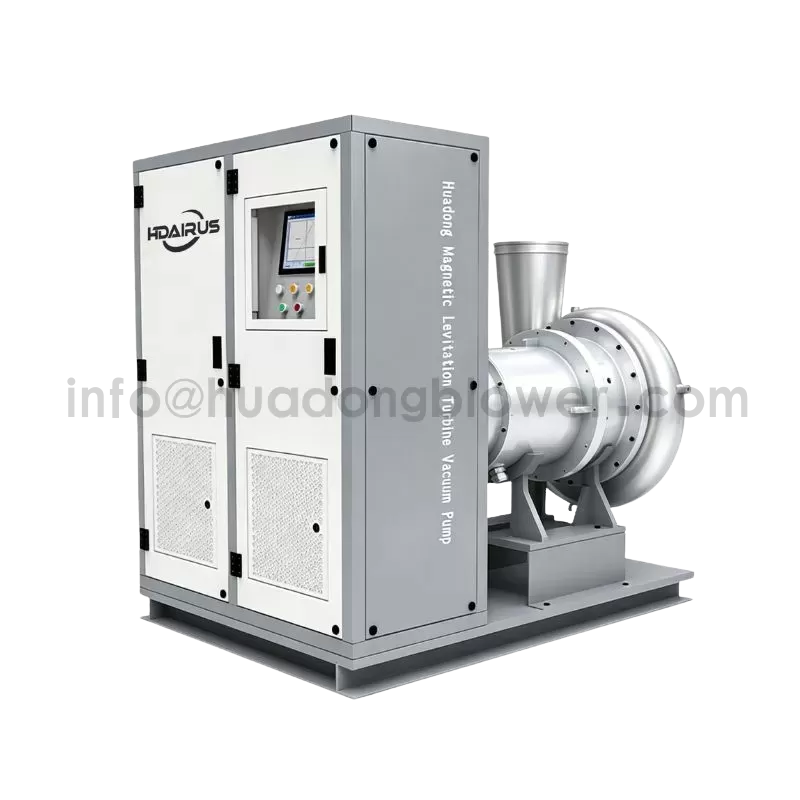
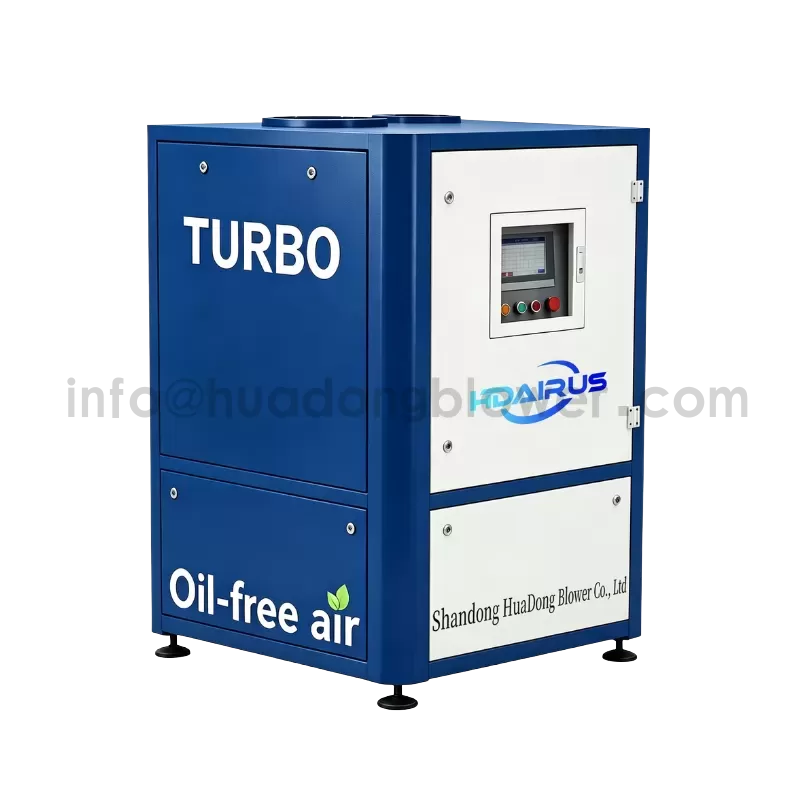
Upgrading to Oil-Free Magnetic Levitation (Maglev) Turbo Compressors offers a powerful solution to this challenge. By completely eliminating lubricating oil from the equation and utilizing advanced high-speed aerodynamics, these systems help plants easily meet environmental regulations while driving down operating costs.
1. Elimination of Hazardous Chemical Waste & Oily Condensate
In any standard oil-lubricated compressor system, microscopic traces of lubricating oil continuously carry over into the compressed air stream. As the hot compressed air cools downstream, moisture condenses out of the air flow, mixing with this oil to create a highly toxic, acidic emulsion known as oily condensate.
[Lubricated Compression] ──► [Oil Carryover] ──► [Moisture Condensation] ──► [Oily Condensate Waste]
                                                                                   │
                                                                       (Requires Expensive Disposal)
The Burden of Environmental Disposal: Environmental protection laws strictly prohibit dumping oily condensate into public sewage lines or surface waters. Facilities must invest in costly oil-water separators, maintain hazardous waste storage units, and pay certified environmental disposal companies to truck the toxic sludge away.
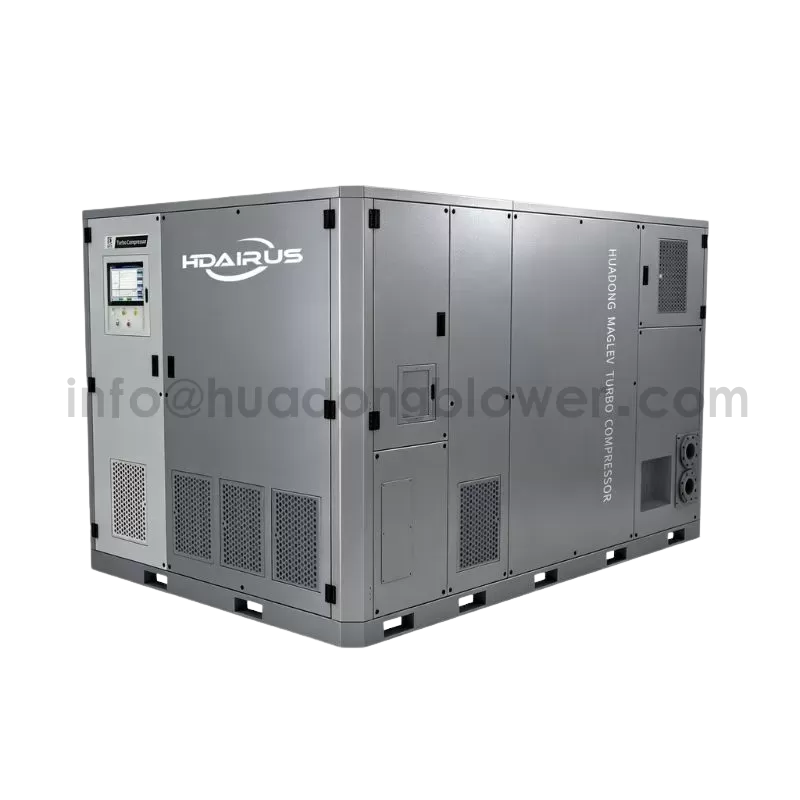
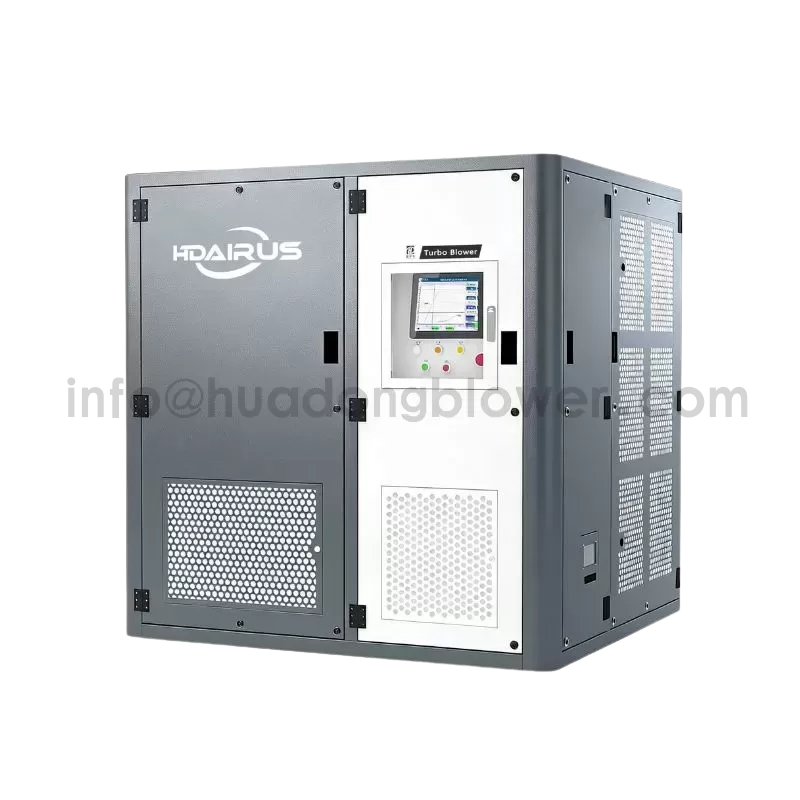
The Clean Maglev Solution: Because the high-speed rotor shaft in an HDAirus maglev compressor floats entirely on an active electromagnetic field, the machine operates with zero oil, grease, or gear lubricants. The water condensed from the air stream is 100% pure, clean water that can be safely discharged directly into standard drain networks without any filtration or environmental penalty.
2. Drastic Reductions in Carbon Emissions
Compressed air systems are massive energy consumers, often accounting for 10% to 40% of a manufacturing facility's total electricity bill. Under modern greenhouse gas (GHG) reporting standards, reducing electrical energy consumption is the most direct path to lowering "Scope 2" indirect carbon emissions.
Frictionless Energy Efficiencies: Traditional screw compressors lose a significant percentage of their input energy to mechanical friction inside the gearboxes, drive belts, and tight contact clearances of the twin screws. HDAirus maglev turbo compressors utilize direct-drive, high-speed Permanent Magnet Synchronous Motors (PMSM) supported by active magnetic bearings.
30% to 40% Lower Power Demand: By eliminating mechanical friction entirely, maglev turbo compressors reduce power consumption by up to 30% to 40% compared to legacy lubricated compressors. This directly slashes the plant's overall megawatt-hour consumption, instantly shrinking its annual carbon footprint and helping the facility meet strict regional environmental mandates.
3. Eliminating Downstream Pressure Drops and Filter Waste
To make an oil-lubricated compressor "environmentally safe" for product contact, plants must stack multiple stages of coalescing, particulate, and activated carbon filters downstream.
The "Pressure Drop" Energy Tax: Every filter element acts as a physical barrier in the pipeline. As these filters trap oil aerosols and dust, they clog, causing a continuous pressure drop. To maintain the required pressure at the production line, the compressor must run at a higher discharge pressure, consuming roughly 1% more electricity for every 2 PSI of pressure drop.
Landfill Waste Reduction: Oil-soaked filter elements cannot be cleaned; they must be regularly replaced and disposed of as hazardous industrial waste. An oil-free maglev system natively delivers ISO 8573-1 Class 0 clean air without needing restrictive, oil-trapping secondary filters, saving energy and keeping chemical-soaked plastic and fiberglass cartridges out of landfills.
4. Mitigating Industrial Noise Pollution
Environmental standards do not stop at carbon and chemical waste—noise pollution is a critical workplace safety and municipal zoning concern. Continuous high-decibel whining from traditional mechanical compressors can damage employee hearing and violate local residential boundary laws.
Frictionless Silencing: Without gears clashing, belts squealing, or rotors grinding together, the mechanical noise of a maglev compressor is virtually non-existent.
Whisper-Quiet Operation: Enclosed within our aerodynamic acoustic cabins, HDAirus maglev turbo compressors run at a remarkably quiet 70 to 75 dBA. This creates a safer, lower-stress environment for facility workers and ensures full compliance with local municipal noise ordinances.
HDAirus: Partnering for Sustainable, High-Performance Manufacturing
At HDAirus (Shandong Huadong Blower Co., Ltd.), we believe that industrial progress and environmental stewardship should go hand-in-hand. Our Magnetic Levitation (Maglev) Turbo Compressors are engineered to help your plant bridge the gap between high-volume output and sustainable, eco-friendly operation.
By integrating active magnetic suspension, advanced high-speed permanent magnet motors, and smart automated control loops, HDAirus delivers a highly reliable utility system that:
Guarantees 100% Oil-Free (Class 0) Air Purity to protect your products and processes.
Minimizes Scope 2 Emissions by reclaiming lost mechanical friction as electrical savings.
Eliminates the Overhead of Hazardous Waste Management, simplifying your environmental reporting.
Whether you are targeting strict ISO 14001 environmental certification, upgrading your facility to meet modern ESG standards, or looking to slash your utility costs, HDAirus maglev systems provide the clean, quiet, and ultra-efficient pneumatic power your business needs.
Recommended Products