Optimizing Biofuel Production with High-Efficiency Turbo Aeration
Release time: Apr.02.2026
Click volume: Views
Biofuel production is growing as industries seek cleaner energy sources. Processes such as fermentation and wastewater treatment require stable and efficient aeration.
Air supply directly affects microbial activity, product yield, and energy consumption.
High-efficiency turbo blowers provide precise airflow control. They help improve process stability while reducing operating costs.
The Role of Aeration in Biofuel Production
Aeration is essential in many stages of biofuel production.
In fermentation, microorganisms convert biomass into fuel. They require a stable supply of oxygen.
In wastewater treatment, aeration supports biological processes that remove contaminants.
Inconsistent airflow can reduce efficiency and affect product quality.
Challenges with Conventional Aeration Systems
Traditional blowers often operate at fixed speeds.
They cannot respond quickly to changes in oxygen demand.
This leads to over-aeration or under-aeration.
Both conditions reduce efficiency and increase energy consumption.
Mechanical losses and maintenance needs also add to operating costs.
What Makes High-Efficiency Turbo Blowers Different
Turbo blowers use high-speed motors and advanced aerodynamic design.
They deliver air with high efficiency and low energy loss.
Many systems use airfoil or magnetic bearing technology.
This enables oil-free operation and reduces mechanical friction.
The result is stable, efficient, and clean airflow.
Precision Aeration Control
Real-Time Flow Adjustment
Turbo blowers can adjust speed based on actual oxygen demand.
Sensors monitor process conditions continuously.
The system responds instantly to changes.
Stable Oxygen Supply
Precise airflow ensures consistent oxygen levels.
This supports optimal microbial activity and improves process performance.
Reduced Energy Waste
By matching supply to demand, energy use is minimized.
This leads to lower electricity costs.
Key Benefits for Biofuel Production
Improved Process Efficiency
Stable aeration enhances fermentation performance.
This can increase biofuel yield and process consistency.
Energy Savings
High-efficiency turbo blowers consume less power than conventional systems.
Variable speed control further reduces energy use.
Low Maintenance
Oil-free design and fewer moving parts reduce maintenance requirements.
This improves reliability and reduces downtime.
Clean Operation
Oil-free airflow prevents contamination.
This is important for maintaining process quality.
Integration with Smart Systems
Modern biofuel plants rely on automation.
Turbo blowers can be integrated with control systems.
Operators can monitor airflow, pressure, and energy use in real time.
Data-driven control improves efficiency and supports predictive maintenance.
Supporting Sustainable Energy Production
Biofuels are part of the transition to cleaner energy.
Efficient aeration systems reduce energy consumption and emissions.
Turbo blowers help make biofuel production more sustainable and cost-effective.
Advanced Solutions from HDAirus
For biofuel applications, precision and efficiency are essential.
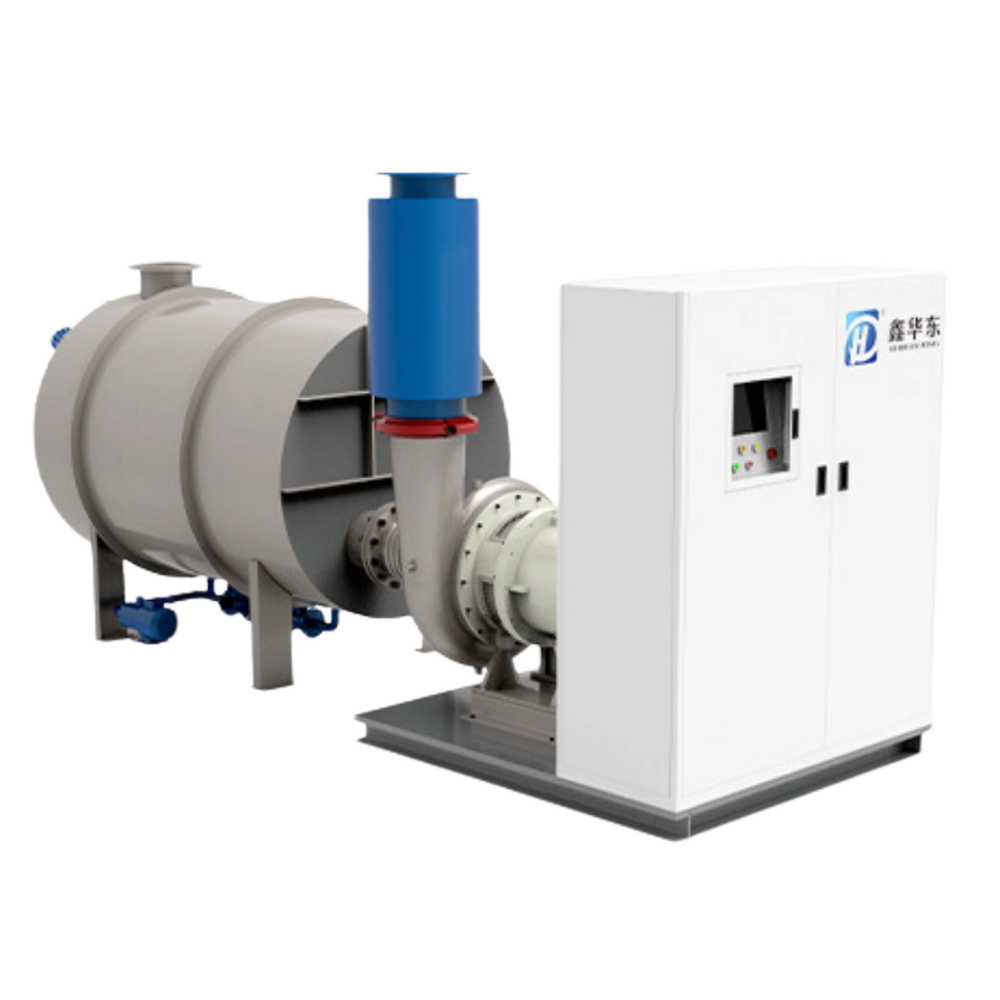
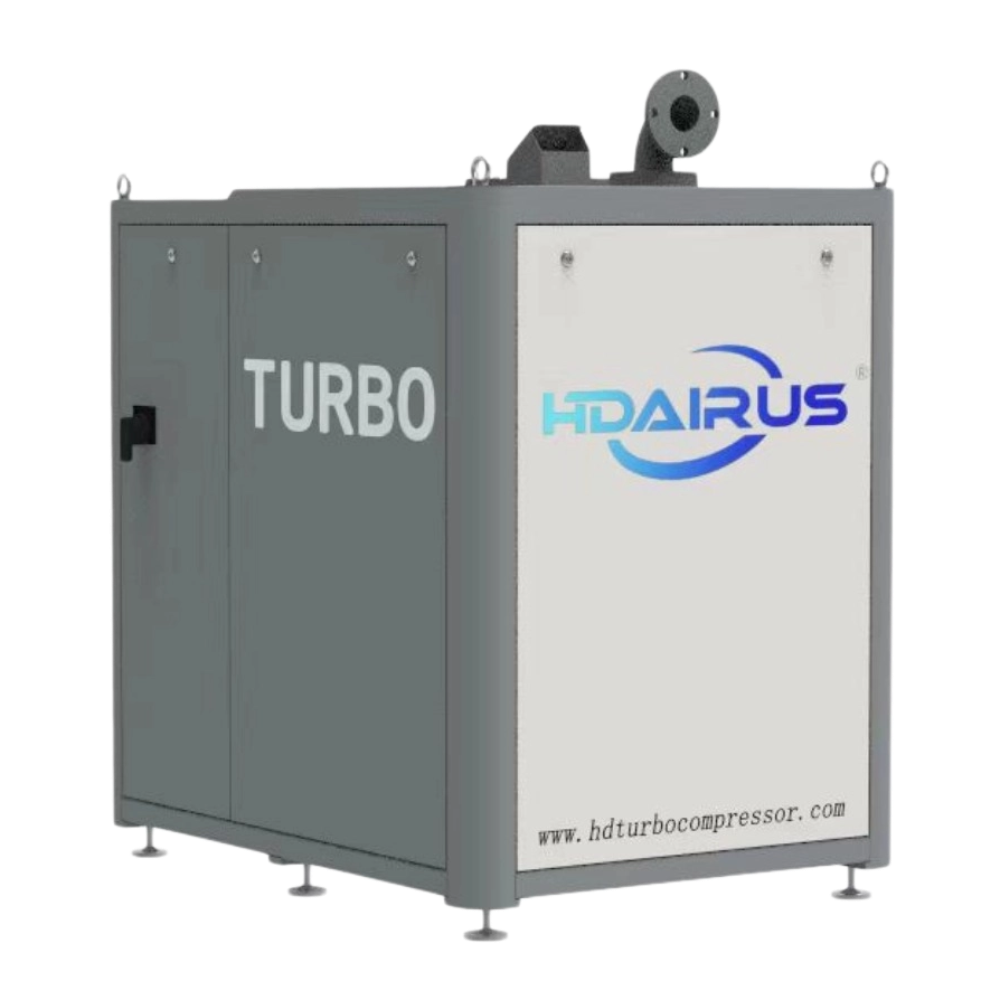
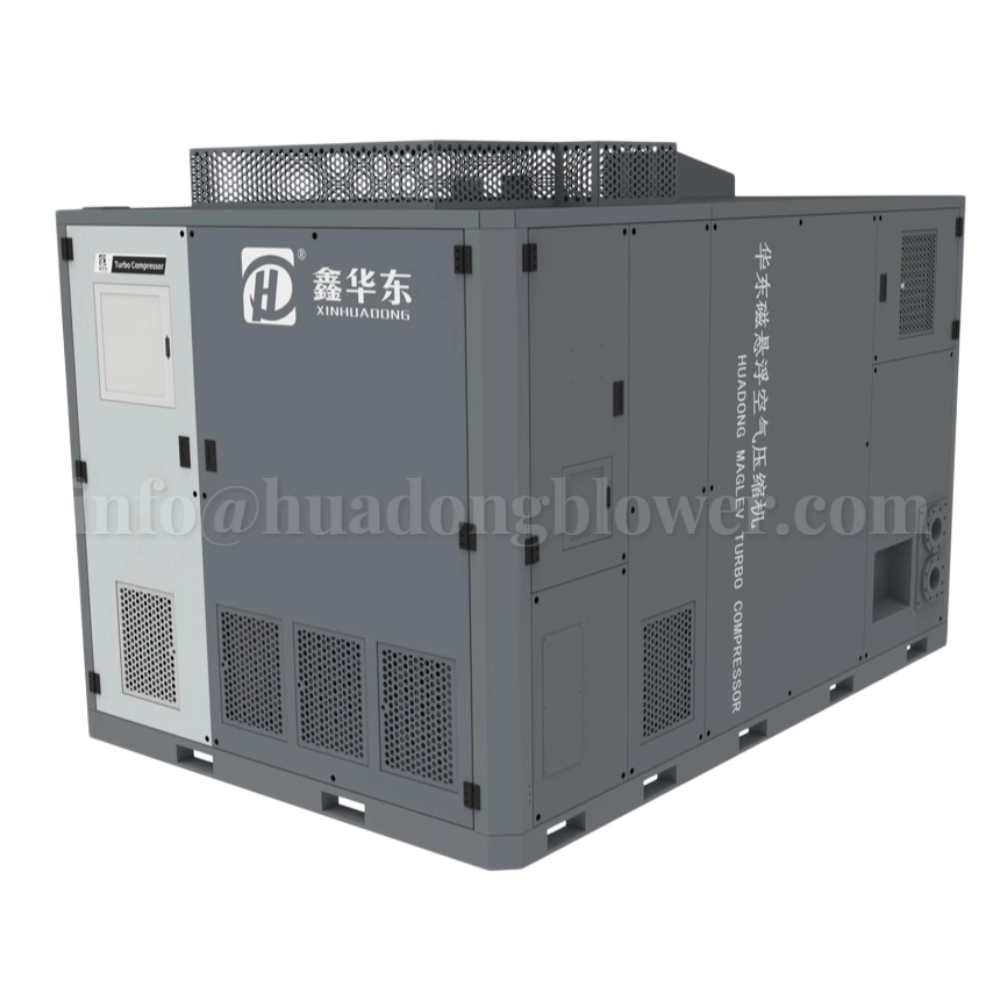
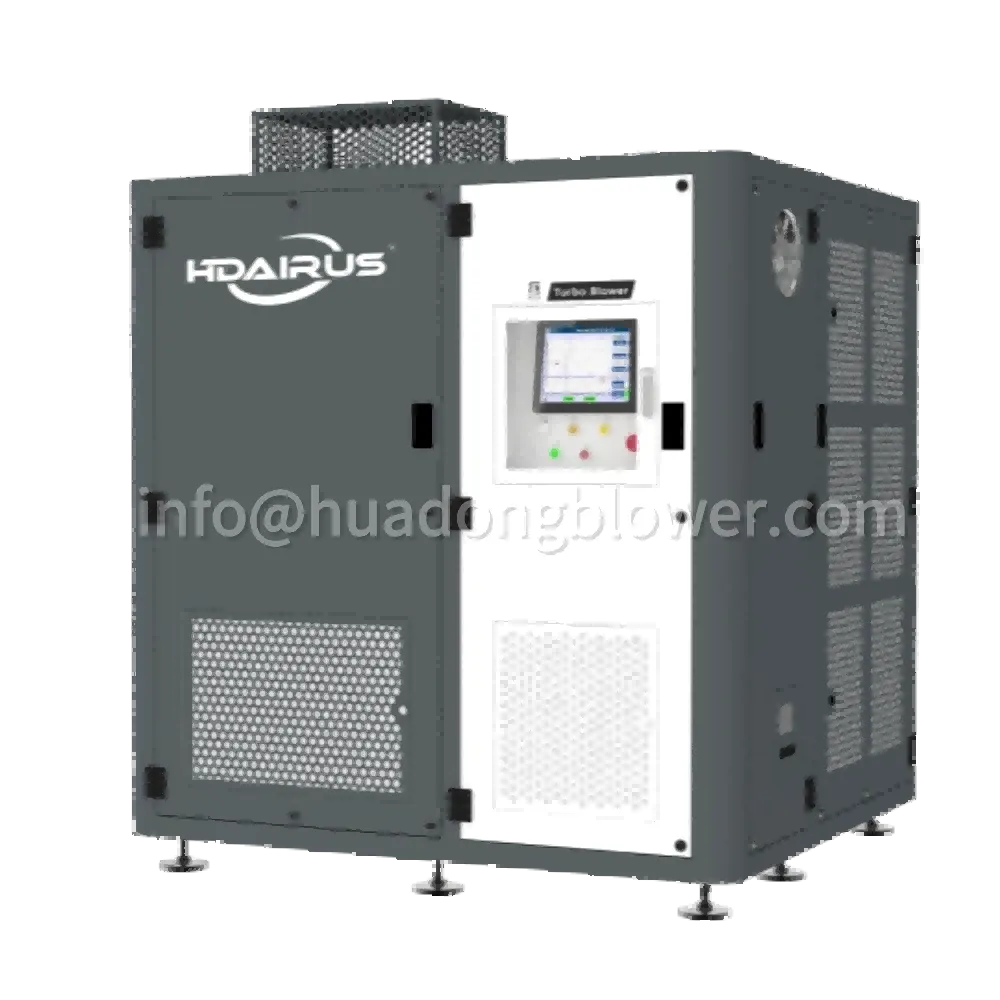
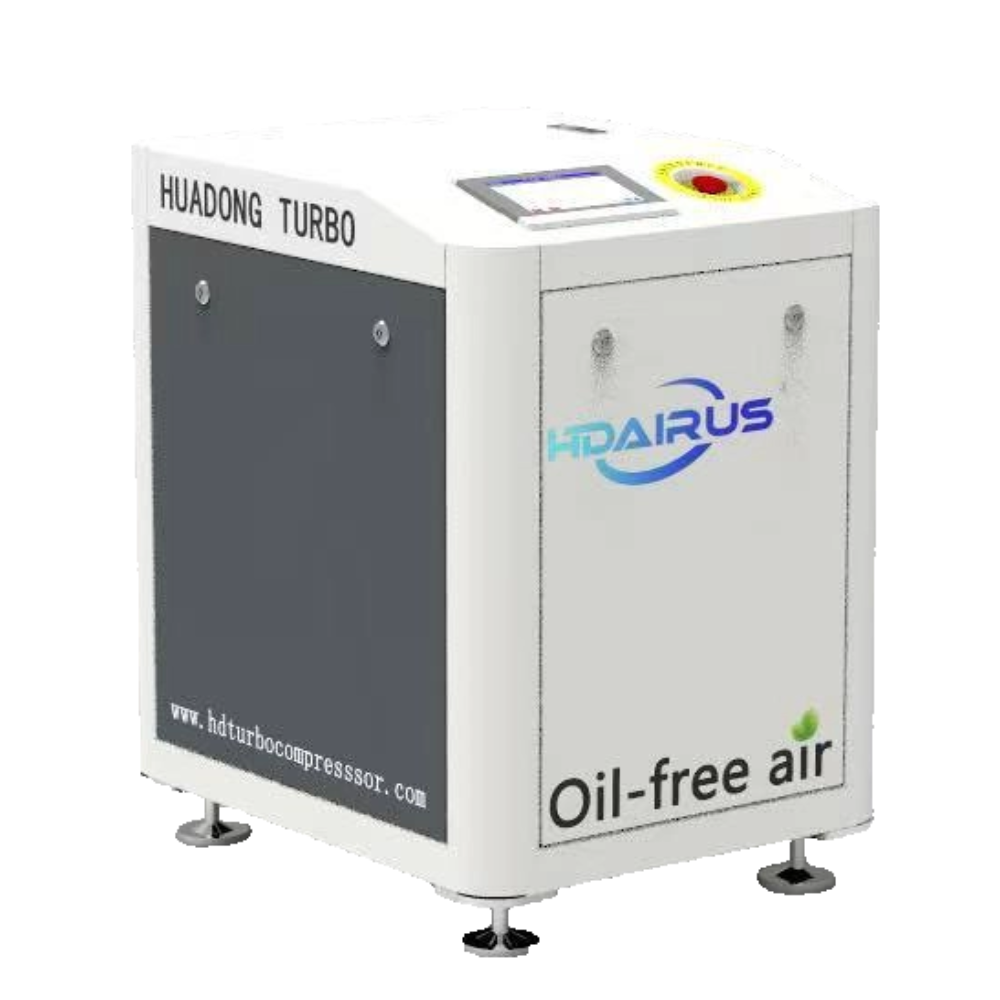
HDAirus high-efficiency turbo blowers, including airfoil and maglev types, provide stable and adjustable airflow.
They deliver energy savings, low maintenance, and reliable performance.
These solutions help optimize biofuel production processes.
Conclusion
Precision aeration is key to efficient biofuel production.
High-efficiency turbo blowers provide the control and performance needed for modern plants.
By improving efficiency, reducing energy use, and supporting stable operation, they play a vital role in sustainable energy production.
Recommended Products