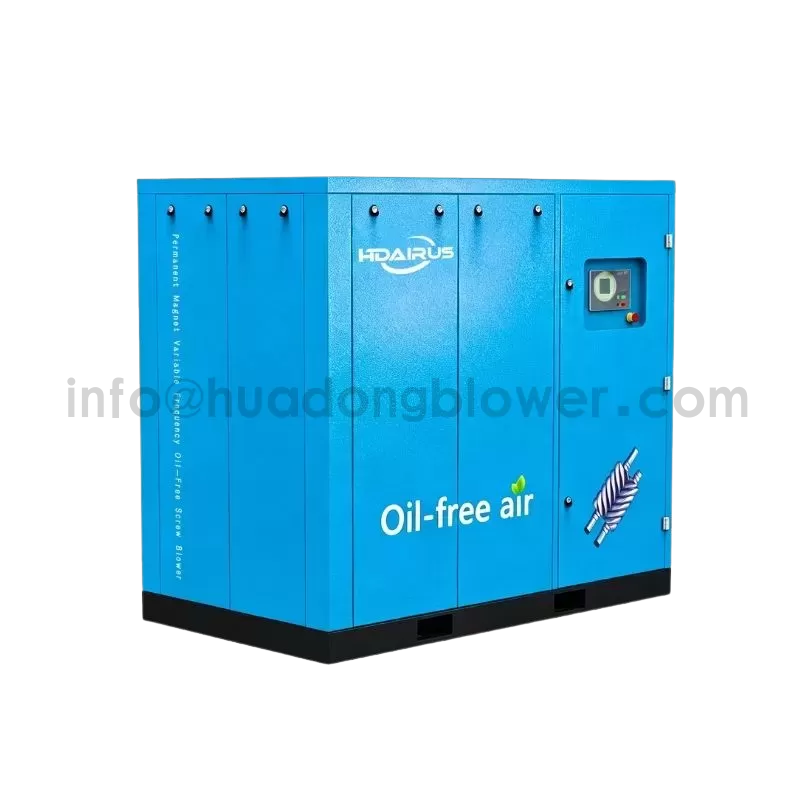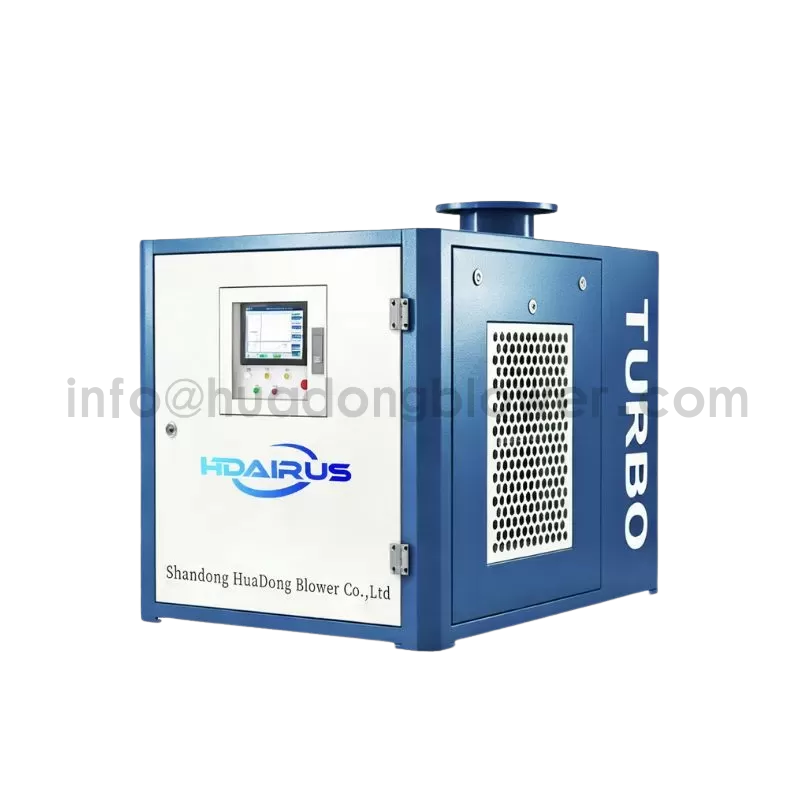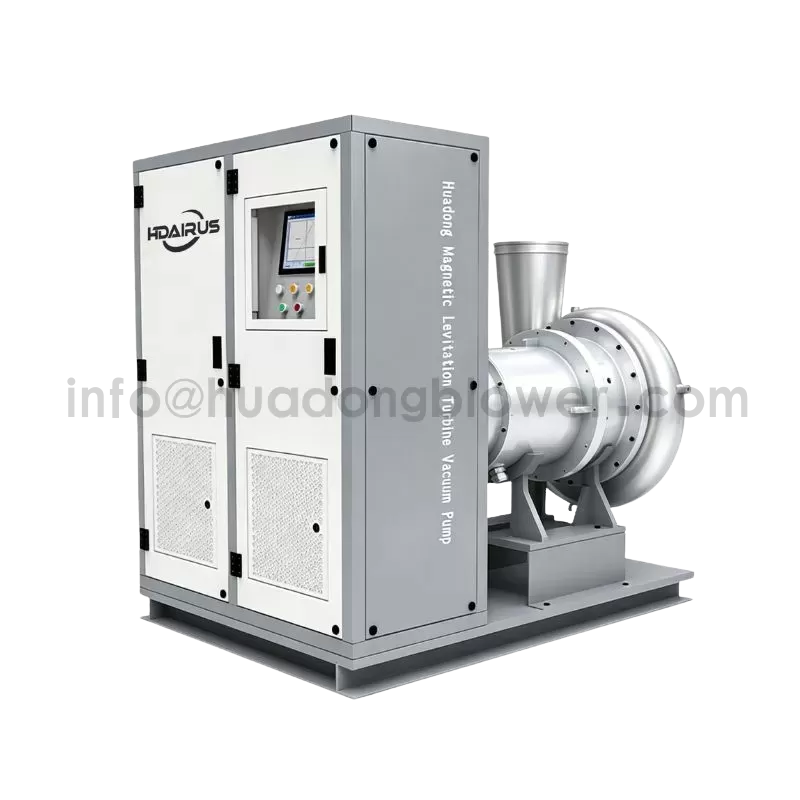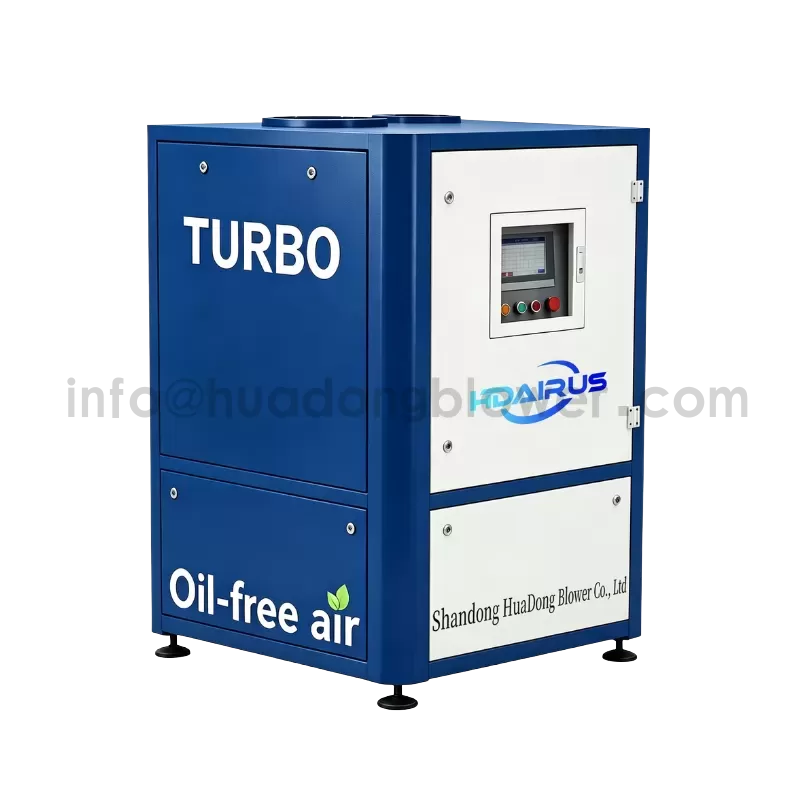
How Magnetic Bearing Compressors Improve Production Efficiency
Release time: Jun.04.2026
Click volume: Views
The Industrial Challenge: Friction as an Efficiency Bottleneck
In heavy industrial manufacturing, production efficiency is directly tied to utility reliability. Low-pressure compressed air and gas delivery are core dynamic forces behind automated production lines, pneumatic conveying, chemical processing, and bulk material handling.
For decades, facilities relied on traditional contact-bearing machinery, such as twin-screw compressors or rotary lobe blowers. While functional, these legacy systems possess an inherent mechanical flaw: physical friction.
The continuous contact between rolling elements, gears, and shafts generates heat, demands constant lubrication, and causes physical wear. Over time, this mechanical overhead leads to progressive energy loss, frequent maintenance shutdowns, and unpredictable process bottlenecks.
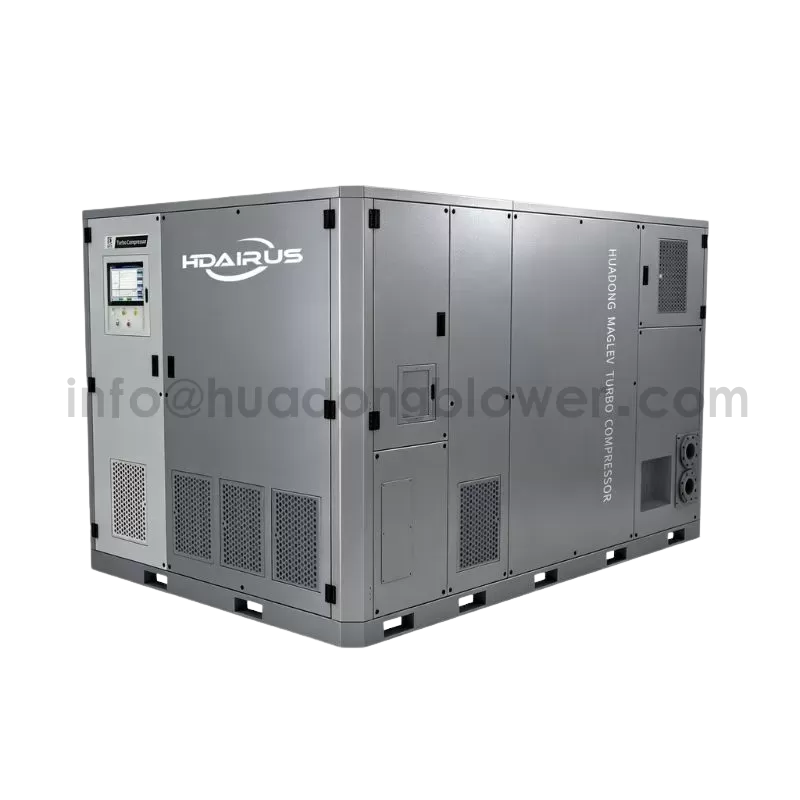
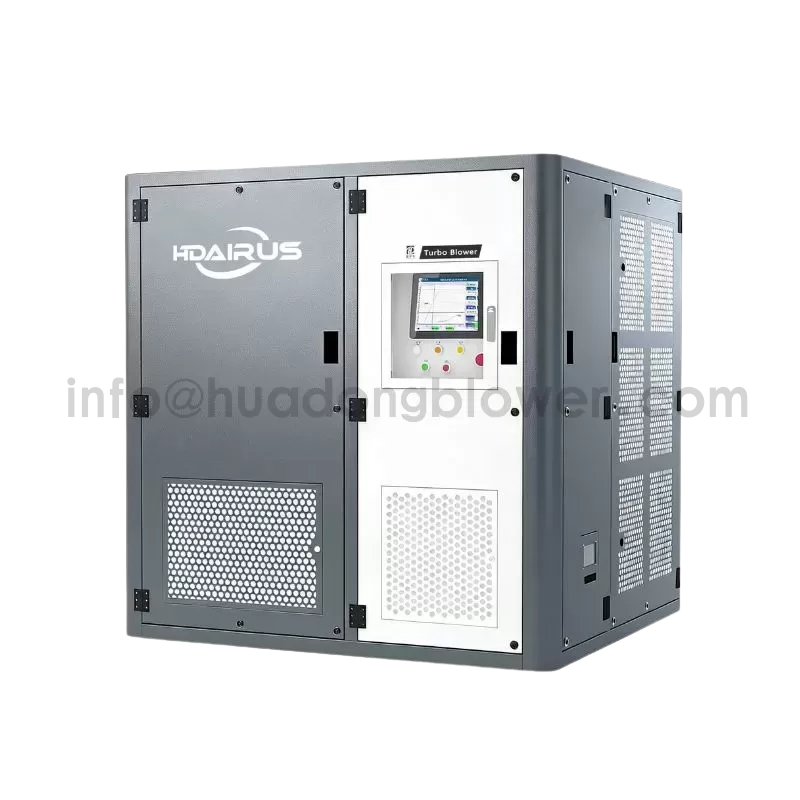
Magnetic Levitation (Maglev) compressors solve this challenge by removing physical contact from the mechanical equation. By utilizing active electromagnetic fields to suspend the rotating assembly in mid-air, Maglev technology transforms compressed air infrastructure into a frictionless, continuous-duty utility. Below is an engineering analysis of how this technological shift directly optimizes factory production efficiency.
1. Eradicating Parasitic Energy Losses
In a standard factory setting, energy consumption represents the single largest cost over the lifecycle of an air compressor. Traditional compressors lose a significant percentage of their input power before the air even enters the discharge piping.
The Direct-Drive, Frictionless Advantage
Legacy screw compressors rely on mechanical transmission systems—such as belts, pulleys, or internal speed-increasing gearboxes—to step up the motor's power to the required rotational speed. Every gear mesh and belt turn creates a parasitic drag that converts electrical energy into waste heat. Furthermore, the shaft must plow through a continuous film of viscous bearing grease or lubricating oil.
Maglev compressors utilize a direct-drive configuration powered by a high-speed permanent magnet synchronous motor (PMSM). The dynamic centrifugal impeller is mounted directly onto the levitating motor shaft.
Because the shaft floats inside a non-contact electromagnetic field, mechanical friction drops to absolute zero. By eliminating transmission losses and bearing drag, Maglev units lower net utility electrical consumption by 20% to 35%. This energy efficiency stabilizes the factory's operating margin and lowers the carbon footprint of the entire production line.
2. Maximizing Uptime via Maintenance-Free Architecture
When an industrial utility fails unexpectedly, production lines halt, resulting in immediate financial losses from lost throughput and idled labor. Conventional positive displacement infrastructure demands rigid, labor-intensive maintenance intervals to prevent catastrophic mechanical failure.
Eliminating the Lubrication Loop
A traditional contact compressor requires a complex lubrication system to survive continuous operation. This system includes oil sumps, mechanical pumps, oil coolers, piping networks, and separator filters. Maintenance crews must routinely halt production to:
Flush and safely dispose of degraded synthetic lubricants.
Replace clogged oil filters and air-oil separators.
Re-tension or swap worn driving belts.
Replace mechanical shaft seals that leak under high thermal expansion.
Maglev compressors are engineered with a natively 100% oil-free architecture. Because the internal shaft functions entirely without physical contact, mechanical wear is eliminated. The machine requires zero oil lubrication, zero grease packs, and zero oil pumps.
Consequently, the preventative maintenance roadmap for a Maglev compressor is restricted to a single, rapid task: routinely sliding out the ambient intake air filter element and replacing it. By engineering out the parts that wear down, factories eliminate human error during maintenance, extend the equipment lifecycle, and achieve near-continuous production uptime.
3. Real-Time Variable Load Adaptability
Industrial production lines rarely run at a completely static load. Material packing lines experience sudden surges; wastewater aeration basins require fluctuating oxygen rates based on real-time chemical tracking; chemical reactors demand precise airflow transitions across different batch processing cycles.
Frictionless Part-Load Performance
When demand drops, traditional fixed-speed screw compressors must vent excess air and run "unloaded." Even when producing zero useful air, an unloaded screw compressor still draws up to 30% of its full-load power just to overcome the internal friction of its oil film, gears, and mechanical bearings.
Maglev compressors feature deeply integrated Variable Frequency Drives (VFDs) managed by smart digital microcontrollers. Position sensors monitor the levitating shaft line thousands of times per second.
When upstream process requirements change, the integrated VFD alters the shaft rotation speed instantly. Because there is no mechanical friction to overcome, the compressor's energy draw tracks the real-time production demand curve perfectly. According to the fluid dynamic Affinity Laws, even a minor reduction in compressor speed results in an exponential drop in power consumption, capturing immense electrical savings during partial-load operations.
4. Eradicating Process and Product Contamination Risks
For high-purity production environments—such as pharmaceutical synthesis, automated semiconductor cleanrooms, commercial food and beverage packaging, and chemical processing—the purity of the compressed air stream is a non-negotiable metric.
In traditionally lubricated compressors, there is a constant risk of oil carryover. Microscopic oil vapors can slip past mechanical seals and enter the discharge air stream.
Because Maglev compressors house no oil or grease anywhere within the machine casing, the risk of oil carryover is entirely eliminated. The resulting discharge air is pristine and compliant with the most stringent international sanitary codes. This native purity provides an industrial insurance policy against product contamination, catalyst poisoning, and unexpected process reworks.
HDAirus Material Integrity and International Standardization
Deploying advanced high-speed mechatronic systems into continuous, heavy-duty industrial plants requires rugged physical engineering. HDAirus constructs its magnetic levitation compression systems under a strict ISO 9001 certified quality management framework using robust industrial metallurgy:
Heavy High-Strength Cast Iron: Used for outer structural housings to ensure superior mechanical alignment and high-level acoustic dampening.
Premium Stainless Steel and Precision Alloys: Applied across all internal gas-path components to completely eliminate moisture-driven oxidation, pitting, or rust formation from ambient atmospheric intake.
High-Quality Specialized Coatings: Applied to internal tolerances and dynamic casing surfaces to provide a chemical-resistant barrier against abrasive particulate erosion.
To facilitate smooth engineering integration and satisfy regional compliance codes across global markets, all HDAirus Maglev configurations carry complete CE and EAC marks. This ensures that every unit complies fully with the strict technical, environmental, and electrical safety regulations mandated by major international industrial authorities. Partner with HDAirus to anchor your factory with the modern, high-efficiency air infrastructure required for the future of manufacturing.
Recommended Products